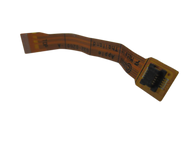
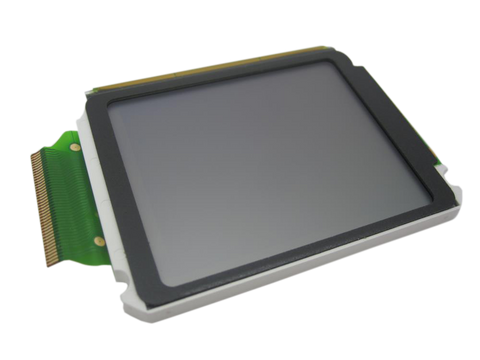
Replacement internal cable for iPod 4G Monochrome. Use it when the flex or ribbon is torn, creased, loose, or failing at the connector before blaming the whole attached assembly.
Product Overview
This cable listing covers Headphone Jack Flex Cable and its own connector path on the iPod 4th Generation (Monochrome).
Use Part Details for the confirmed part-number reference. Use the Compatible Variants table below to confirm capacity, color, case, or order-number fitment.
Choose this part when your iPod shows Won't Charge, Won't Turn On, Battery Drain, or Shuts Down Randomly; the checks below help confirm the right part before you order.
What Is Included
Quick Buying Check
Buy this when
- Hard Drive Failure: Use the cable check when reseating, connector inspection, or a known-good drive points to the storage ribbon instead of the drive itself.
Diagnose first when
- Confirm thin or thick case thickness before ordering battery, hard drive, cable, or rear case parts.
- Try a known-good cable, charger, and computer port before opening the iPod.
Specifications & Fitment
Part Details
| Detail | Value |
|---|---|
| Model Number | A1059 |
| EMC | EMC 1995 |
| Condition | Used — factory original Apple part. Normal cosmetic wear expected. |
| OEM Part |
632-0260-A, 820-1635-A
|
Compatible Variants
| Order Number | Capacity | Color | Case | Compatible | Notes |
|---|---|---|---|---|---|
| M9787LL/A | 20GB | Black/Red (U2) | thin | Yes | — |
| M9282LL/A | 20GB | White | thin | Yes | — |
| PE435A | 20GB | White (HP) | thin | Yes | — |
| M9268LL/A | 40GB | White | thick | Yes | — |
| PE436A | 40GB | White (HP) | thick | Yes | — |
Diagnostic Failure Cards
Use these model-specific failure cards to decide whether this cable is the right part, a nearby part needs checking first, or escalation makes more sense after simpler checks.
Check before ordering
Hold switch is stuck, locked, or not reporting correctly
What you may notice
- People report the iPod staying locked, the lock indicator not clearing, or the Hold switch not matching the device behavior.
- The iPod appears locked or the Hold switch does not match the device behavior.
Diagnose first when
- Move the Hold switch and watch whether the lock indicator changes.
- Check the headphone/hold ribbon if the symptom started after opening the iPod.
- Match the headphone/hold assembly to the exact case thickness before ordering.
- Confirm Hold is off before judging the controls.
- Separate center-button-only failure from a dead scroll ring or multiple failed buttons.
- Inspect click-wheel ribbon seating, latch position, and ground path after reassembly.
- Compare headphone output, dock or line-out output, and Hold-switch behavior before replacing the headphone/hold assembly.
Similar issues to separate
- Choose this headphone/hold assembly only when the physical Hold switch or its ribbon path is the failing path.
- Choose this headphone jack / hold-switch assembly when the symptom remains isolated to this assembly, its ribbon, or its connector path after first checks.
Where this cable does not fit
Check another part first
- Check click-wheel input only after the Hold switch path is ruled out.
- Check the headphone/hold assembly for confirmed Hold switch faults before blaming the click wheel.
Repair or replacement paths
- Replace the headphone/hold assembly when the switch or its flex path is damaged.
- Reseat or inspect the connector first when the switch changed behavior after service.
- Replace the click wheel when the assembly or flex remains damaged after seating checks.
Sad iPod, clicking, restore, or storage trouble
What you may notice
- People describe clicking, sad iPod or folder screens, restore loops, disk-mode trouble, or storage that will not behave after replacement.
- Sad iPod, red X, clicking drive, restore loop, or disk-mode trouble.
Diagnose first when
- Confirm thin or thick case thickness before ordering battery, hard drive, cable, or rear case parts.
- Listen for repeat clicking or repeated spin-up attempts before replacing storage parts.
- Check whether the iPod enters disk mode, restores cleanly, and is recognized by the computer.
- If a drive or flash adapter was just installed, recheck cable seating, adapter orientation, and formatting before buying another part.
Similar issues to separate
- The 4G comes in thin 20GB and thick 40GB case variants. Battery, hard drive, and backplate fitment can differ by case thickness.
- The cable can be involved, but the drive cable, adapter formatting, power stability, or logic-board storage path may also be responsible.
- Check storage / restore route, connector seating, and board-side damage before ordering.
When this cable fits
- Choose this cable only when clicking, restore failure, or disk errors follow this part or its connection path.
- Choose this cable when the symptom remains isolated to this assembly, its ribbon, or its connector path after first checks.
Check another part first
- Check the storage cable, adapter setup, battery power stability, and board connector when the symptom changes after reseating or swapping storage.
Repair or replacement paths
- Replace the cable only when the storage or restore symptom is tied to this part's role in the startup path.
- Use cable, adapter, or board diagnosis first when restore behavior changes with seating, formatting, or another known-good storage device.
- Advanced or board-level cases
Audio or Hold problems after repair
What you may notice
- People report headphone audio, Hold behavior, or both changing after battery, headphone/hold, or internal service.
- A new symptom appeared after battery, storage, audio, display, or control work.
Diagnose first when
- Confirm the replacement assembly matches the thin or thick case.
- Inspect the headphone/hold ribbon and connector before ordering a second part.
- Inspect for liquid, corrosion, residue, torn flex material, or connector damage.
Similar issues to separate
- Choose this headphone/hold assembly only when repair work damaged the jack, switch, or ribbon.
Check another part first
- Check the connector and the part variant first when the symptom began immediately after service.
Repair or replacement paths
- Reseat the ribbon and correct the part variant first.
- Replace the assembly when the flex, switch, or jack-board is damaged.
Cable ribbon, connector, or contact path
What you may notice
- People describe symptoms that change after opening the iPod, reseating parts, or disturbing nearby flex cables.
- A symptom starts after opening the iPod or disturbing an internal flex cable.
Diagnose first when
- Inspect the relevant ribbon and board connector before replacing the part.
- Look for lifted latches, bent contacts, debris, corrosion, creases, or torn flex material.
- Check whether the symptom changes after careful reseating.
Similar issues to separate
- The cable may be fine while its ribbon, connector, latch, or contact path is loose, dirty, damaged, or not fully seated.
- Connector seating, ribbon damage, or ground-path issues can involve this part, a nearby connector, or a board path.
When this cable fits
- Choose this cable only when the part's own flex or contact path is damaged.
Check another part first
- Check the board-side connector or adjacent cable first when the damage is not on the replaceable assembly.
Repair or replacement paths
- Reseat or clean only where the repair procedure supports it.
- Replace the cable when the flex, connector tail, or assembly contact path is physically damaged.
Fitment or model-variant boundary
What you may notice
- A similar-looking part may not match the exact capacity, case thickness, generation, or color.
Check another part first
- Check the Replacement Click Wheel Assembly when controls, wheel, center/select, menu, hold, or unresponsive-button symptoms are the main problem.
- Check the 30-Pin Dock Connector / Charging Port when charging, sync, usb, firewire, or dock-connection behavior is the main problem.
Headphone output compared with dock or line-out audio
What you may notice
- Audio behaves differently through headphones and a dock or line-out accessory.
- Both headphone and dock output share the same failure.
Diagnose first when
- Test known-good headphones before opening the iPod.
- Compare headphone output with dock or line-out audio on the same track.
- Inspect and reseat the headphone/hold ribbon or connector if the iPod was opened.
Check another part first
- If both headphone and dock or line-out audio fail, the jack alone is unlikely.
- Board-level audio diagnosis belongs after output-path and ribbon checks.
Repair or replacement paths
- Replace the headphone/hold assembly when the failure is isolated to the headphone path.
Cautions
- Do not treat a broad no-audio symptom as proof that the headphone jack has failed.
No sound or missing headphone audio
What you may notice
- People describe music playing with little or no sound from the headphone jack, or audio that disappears even though the iPod still appears to run.
- No sound from the headphone jack.
- Audio disappears while the iPod otherwise appears to run.
Diagnose first when
- Test with known-good headphones before opening the iPod.
- Check whether audio behaves differently through the dock connector and the headphone jack.
- Inspect the headphone/hold ribbon and connector if the iPod has been opened.
- Play the same known-good track through the headphone jack, then through a dock or line-out accessory if you have one.
- If dock or line-out audio works but headphones do not, focus on the headphone jack, jack contacts, headphone/hold ribbon, and board connector.
- If both headphone and dock output are silent, pause before buying the jack and continue with logic-board or audio-circuit diagnosis.
Similar issues to separate
- Choose this headphone/hold assembly only when the headphone jack or its ribbon path is the failing audio path.
Check another part first
- Check the logic board or board-level audio path first when both the headphone jack and dock or line-out path are silent.
Repair or replacement paths
- Reseat the headphone/hold ribbon when the symptom began after service.
- Replace the headphone/hold assembly when the jack, ribbon, or hold-board assembly is the suspect path.
- Use headphone/hold assembly replacement for a failure that follows only the headphone path.
- Do not treat the headphone jack as the first confirmed fix when every audio output path is silent.
Liquid, corrosion, or residue context
What you may notice
- Symptoms follow liquid exposure, dirty contacts, corrosion, or residue.
One-channel, static, or uneven headphone audio
What you may notice
- People report sound from only one side, static, uneven output, or audio that changes when the plug or case is moved.
- Sound plays in only one ear or one channel.
- Static, uneven volume, buzzing, or distortion through headphones.
Diagnose first when
- Try another known-good headphone plug before ordering.
- Check whether light plug movement changes the channel or static behavior.
- If the iPod was recently opened, inspect the headphone/hold ribbon seating.
Similar issues to separate
- Choose this headphone/hold assembly only when the one-channel or static symptom follows the jack or ribbon.
Check another part first
- Check headphones and board-level audio first when the symptom does not react to the jack or ribbon path.
Fitment and post-repair traps
Symptoms changed after repair or reassembly
What you may notice
- People describe a new problem appearing immediately after battery, storage, display, audio, or control work.
Diagnose first when
- Reopen only as far as needed to inspect the areas touched during the repair.
- Compare the new symptom with what worked before the repair.
- Check cable seating, latch position, and part variant before replacing a second part.
Similar issues to separate
- A post-repair symptom can involve the cable, but disturbed ribbons, latches, grounding, connector seating, or the wrong variant part are common checks before ordering again.
- Check post-repair regression, connector seating, and board-side damage before ordering.
When this cable fits
- Choose this cable only when the part itself was torn, creased, or damaged during service.
Check another part first
- Check the exact connector or assembly disturbed during the repair before treating the new part as failed.
Repair or replacement paths
- Correct seating, latch, or variant problems first.
- Replace the cable when the repair damaged that assembly or its flex path.
Headphone Jack / Hold-Switch Assembly appears unresponsive or intermittent
What you may notice
- People describe behavior where the headphone jack / hold-switch assembly seems dead, intermittent, or only partly responsive.
Diagnose first when
- Inspect nearby connectors and flex paths if the iPod has been opened.
Similar issues to separate
- Choose this headphone jack / hold-switch assembly only when the failing behavior follows the part or its own connection path.
Symptom remains after basic checks
What you may see: The iPod still points back to Headphone Jack Flex Cable after cable seating, battery stability, and nearby connector checks.
Check first: Retest with known-good cables or adjacent parts where practical before ordering.
Check next: A nearby cable, connector, battery, storage device, display path, audio path, or board path can mimic a bad cable.
Symptom changes when touched or reseated
What you may see: The symptom changes after moving the part, reseating a cable, or applying light pressure near the connector path.
Check first: Inspect the connector, latch, flex, solder joints, and nearby board area for damage or corrosion.
Check next: This can still be a connection issue rather than a failed cable alone.
Problem began after another repair
What you may see: The issue started immediately after opening the iPod, replacing another part, or disturbing an internal cable.
Check first: Reopen only as far as needed and inspect the exact area touched during the previous repair.
Check next: Post-repair symptoms often trace to seating, latch, screw, or cable issues before Headphone Jack Flex Cable itself is confirmed bad.
Do Not Buy / Problems This Cable Does Not Fix
| Situation | Start here instead |
|---|---|
| The problem is the Hold switch or headphone jack, not this part | Compare with a known-good storage device before replacing another cable. |
| You see a folder icon, clicking noise, or restore failure | Use the port, cable, host, or power path if the storage ribbon is not the isolated fault. |
| Variant or capacity does not match this listing | Check the matching drive, cable seating, and board-side connector before ordering. |
| Cable, computer, sync, or port behavior is the primary problem | Inspect and reseat the cable, latch, or connector path disturbed during service before buying another part. |
| Charging, swelling, runtime, or power is the primary problem | Confirm power, charging, and pack-condition clues before replacing this part. |
| Sound is the only problem | Use the nearby diagnostic path that matches the exact symptom and part family. |
| Recent service or connector disturbance is the main clue | Inspect and reseat the cable, latch, or connector path disturbed during service before buying another part. |
| A symptom points to a different part | iPod 5th Gen Video / 6th Gen / 7th Gen — uses connector ribbon cable, not IDE/ATA. |
Install Overview
Before You Start
Turn Hold off, use the reset sequence for this generation, and confirm the model and variant before opening the iPod.
Treat case opening as the highest handling risk. Work around the seams gently and stop if the shell, clips, or internal stack resist.
Do not pull the halves apart or side-load board sockets. Reseat nearby ribbons and connectors before blaming a replacement cable.
After This Repair
| Check | What to do |
|---|---|
| Test the connected part | Confirm the assembly on both ends of the cable behaves normally before closing the iPod. |
| Still not working? | Inspect the latch, cable orientation, and board-side connector before replacing another part. |
Worth Knowing
- Standalone flex cable path for 4G-family headphone/hold service when the full assembly is not needed.
Frequently Asked Questions
Use these questions to narrow the part path before ordering. They keep each answer focused on a different diagnostic or fitment decision.
What iPod 4th Generation (Monochrome) models does this fit?
This Headphone Jack Flex Cable fits: M9282LL/A (20GB White), M9268LL/A (40GB White), M9787LL/A (20GB Black/Red (U2)), PE435A (20GB White (HP)), PE436A (40GB White (HP)).
Do I need to solder?
No, this installation does not require soldering.
When is this cable the right fix for sad iPod, clicking, or restore trouble?
Listen for repeated drive clicking and note whether the iPod reaches disk mode. Reseat the hard-drive ribbon and inspect the storage connector or retaining latch before buying another storage part. Try restore only after cable seating and power behavior are stable enough to complete the process. Compare with a known-good drive, cable, or flash adapter when available. Confirm thin or thick case thickness before ordering battery, hard drive, cable, or rear case parts. Listen for repeat clicking or repeated spin-up attempts before replacing storage parts. Check whether the iPod enters disk mode, restores cleanly, and is recognized by the computer. If a drive or flash adapter was just installed, recheck cable seating, adapter orientation, and formatting before buying another part. Choose this hard-drive cable only when clicking, sad iPod, restore, or disk-mode symptoms follow the storage path. Choose this cable only when clicking, restore failure, or disk errors follow this part or its connection path. Check battery stability, connector seating, and the hard-drive cable before treating the storage device alone as confirmed. Check the storage cable, adapter setup, battery power stability, and board connector when the symptom changes after reseating or swapping storage.
What should I check before replacing this cable?
Reseat the storage ribbon squarely and confirm the latch is closed before replacing the storage device again. Check adapter orientation, case clearance, and capacity/format expectations when using a flash path. Inspect the relevant ribbon and board connector before replacing the part. Look for lifted latches, bent contacts, debris, corrosion, creases, or torn flex material. Check whether the symptom changes after careful reseating. Choose this hard-drive cable only when the storage path remains isolated after ribbon and fitment details. Choose this cable only when the part's own flex or contact path is damaged. Check the cable and storage connector path first when the symptom started immediately after a storage swap. Check the board-side connector or adjacent cable first when the damage is not on the replaceable assembly.
iPod stuck on lock, what component should I replace?
Control symptoms usually need the click wheel, center button, or Hold assembly checked before this cable.
Does capacity matter for this part?
Use the Specifications & Fitment table as the source of truth. Match model, capacity, case depth, connector style, and order-number family before ordering.
Why people land on this part
Also searched as: 20GB HDD, gig drive, removed toshiba, toshiba 2004gal, drive logic, ZIF drive, drive 60GB, battery won't charge, won't charge completely, new battery, not charging, doesn't charge, iPod 4th generation monochrome headphone jack flex cable replacement, iPod 4th gen won't charge, iPod 4th generation connector, Won't Turn On, Shuts Down Randomly, hard drive.
You May Also Want
A fresh battery is often replaced during the same repair while the iPod is open.
Related: Flash Storage Mod Kit (iFlash IDE Adapter)Flash storage is the common upgrade path while the iPod is already open.
Related: Replacement Hard Drive (40GB)Use a hard drive only when restoring original-style storage; use the model's flash-storage path when a compatible adapter path is available.
Some buyers search for "This ribbon cable is very fragile", "Original Headphone Jack Flex Cable for Apple iPod Classic Monochrome 4th Generation 2004 20GB 40GB A1059", "orange headphone jack cable", "fragile headphone jack cable", "iPod 4th Generation Headphone Jack Cable", "Lock Switch", or "Hold switch doesn't work"; confirm the checks above point to this same part before ordering.